
How UK Businesses Can Leverage Telegram Marketing in 2026: A Step-by-Step Guide to Reaching Untapped Audiences Beyond Facebook and Instagram
How UK Businesses Can Leverage Telegram Marketing in 2026: A Step-by-Step Guide to Reaching Untapped Audiences Beyond Facebook and Instagram
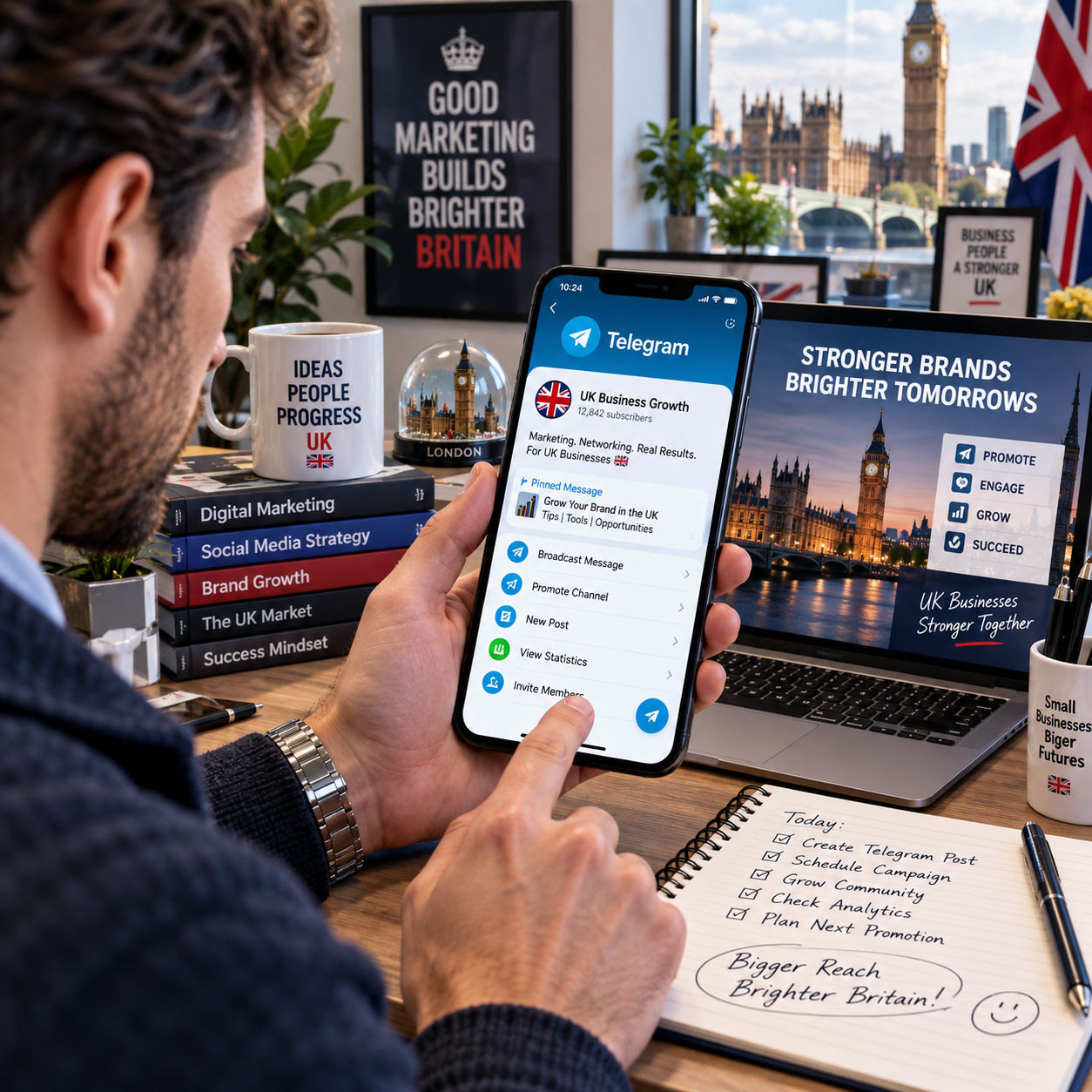
If you've been running Facebook and Instagram ads for the past few years, you've probably noticed something: the numbers just don't add up like they used to. CPMs keep climbing, organic reach on Meta platforms has quietly collapsed, and your audience is tired of seeing the same sponsored posts scroll past their thumbs. I've spoken to enough UK marketers this year to know this isn't just my experience—it's a pattern. Meanwhile, there's a platform sitting right under most brands' noses that's growing fast, largely ignored by advertisers, and packed with exactly the kind of engaged, younger, privacy-conscious users UK businesses are struggling to reach elsewhere. That platform is Telegram, and with over 900 million users globally, it's no longer a niche messaging app for tech insiders. This guide walks through exactly how UK businesses can start using Telegram marketing in 2026, step by step, before the rest of the market catches on.
Why Telegram Is the Untapped Opportunity UK Marketers Are Missing
The UK digital advertising landscape has shifted noticeably over the last couple of years. Instagram's algorithm favours video content so heavily that static posts barely get seen by followers anymore. Facebook's organic reach for business pages has been sitting in the low single digits for a while now, and every marketer I know is paying more per click than they did in 2023 or 2024. Ad fatigue among UK consumers is real—people are scrolling faster, skipping more, and trusting branded content less.
Telegram sits in a completely different position. UK adoption has grown steadily, particularly among community groups built around finance, crypto trading, local interest topics, and niche hobbies. Because so few UK advertisers have moved onto the platform yet, competition for attention is dramatically lower. That translates into cheaper reach and, more importantly, genuinely higher engagement rates—people who join Telegram channels usually want to be there, unlike the passive scrolling behaviour on Meta apps.
Who's Actually Using Telegram in the UK?
The user base skews younger and more tech-literate than you might expect. Gen Z and millennial users make up a large chunk of active UK Telegram members, many of whom migrated there specifically because they wanted more privacy than Meta apps offer. Beyond that general demographic, there are several distinct pockets worth knowing about:
- Finance and crypto enthusiasts who follow dedicated trading and investment channels
- Tech and startup communities discussing everything from software to product launches
- Local UK interest groups covering cities, hobbies, and regional events
- Diaspora communities using Telegram for news, commerce, and staying connected with home countries
Telegram vs. Facebook & Instagram — A Quick Comparison
It helps to understand structurally why Telegram behaves so differently from the platforms you're used to. On Instagram and Facebook, you're at the mercy of an algorithm that decides who sees your content, and increasingly, you have to pay to guarantee any meaningful reach. Telegram doesn't work that way. Content in channels and groups gets delivered directly to subscribers without algorithmic filtering, which means your message open rates are typically far higher than anything you'd see in a Meta newsfeed.
There's also a branding advantage. Telegram has built its reputation on privacy and user control, so businesses that communicate respectfully and transparently tend to earn trust faster than they would on platforms associated with data harvesting concerns. And because Telegram's own advertising platform is still relatively new, advertiser competition remains low—meaning UK businesses that move now can secure better placement and pricing than they'll get once the platform matures.
Building Your Telegram Presence — The Foundations
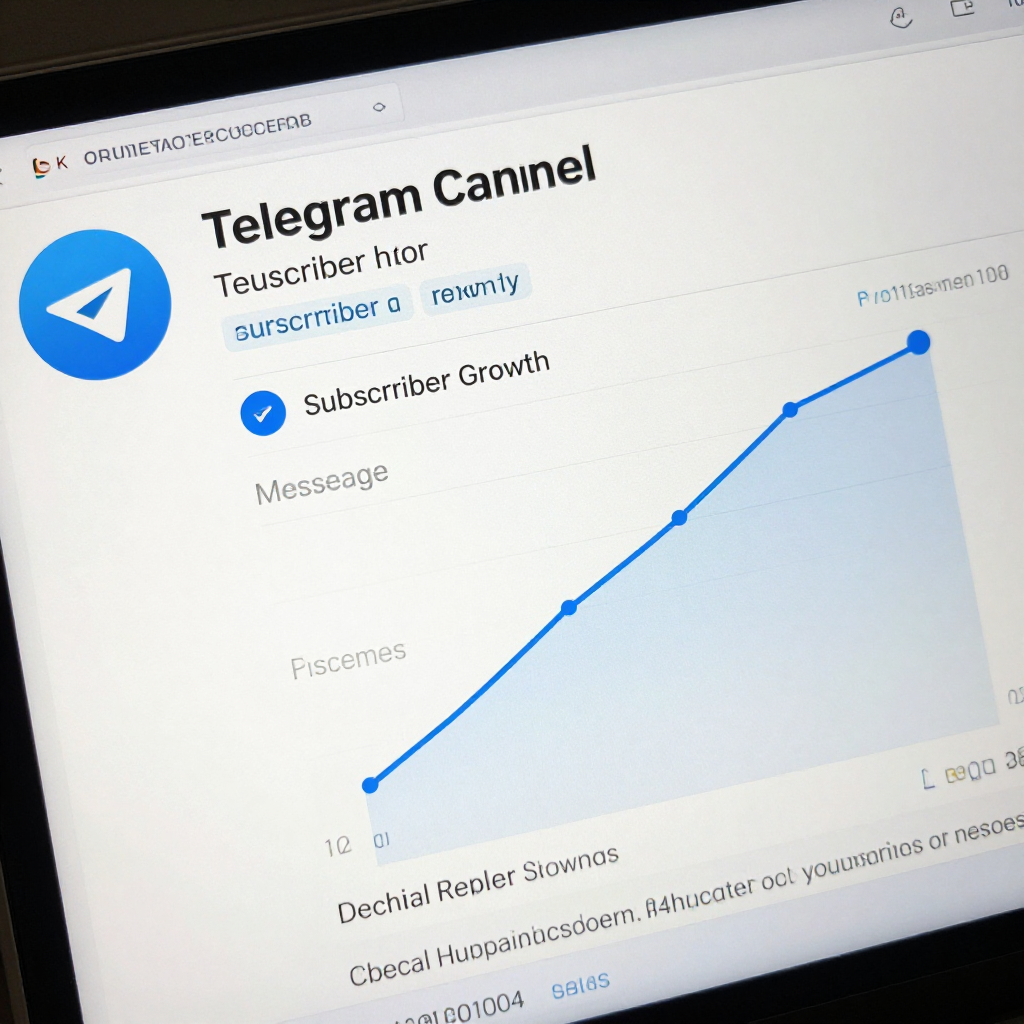
Before you spend a single pound on paid promotion, you need somewhere for that traffic to land. Start by creating a branded Telegram channel or group that reflects your business clearly—proper profile image, a description that states what followers get by joining, and a consistent posting schedule from day one. Content strategy on Telegram works best when it feels like an insider perk rather than a broadcast advert: exclusive discounts, early product access, or behind-the-scenes updates tend to perform far better than polished promotional copy.
Many UK businesses are also integrating Telegram bots into their setup, using them to automate customer service responses, capture leads, or guide users through simple purchase funnels without needing a human on the other end at every hour.
Channel vs. Group vs. Bot — Choosing the Right Format
These three formats serve different purposes, and mixing them up is a common early mistake. Channels are one-way broadcast tools, ideal for announcements, promotions, and content drops where you don't need two-way conversation. Groups, by contrast, allow members to interact with each other and with your brand—useful for building genuine community around your product or service. Bots handle the automation layer: capturing leads, answering FAQs, or walking a customer through a booking or purchase process without manual input.
Step-by-Step Guide to Launching Paid Campaigns on Telegram
Once your organic presence is in place, paid campaigns can accelerate growth significantly. Here's how UK businesses should approach it:
- Set clear objectives first. Decide whether you're aiming for channel subscriber growth, direct sales, or lead generation before writing a single ad.
- Understand the native ad format. Telegram Ads run as text-based sponsored messages that appear in public channels with 1,000+ subscribers, so your copy needs to be tight, direct, and value-driven from the first line.
- Use audience targeting wisely. You can target by language, location, and channel topic—UK businesses should prioritise British-based channels and UK-relevant subject categories for the most efficient spend.
- Set realistic budgets. Because competition is lower than on Meta, UK businesses often see solid results testing with relatively modest starting budgets before scaling.
- Write concise, high-converting copy. Telegram users respond to clarity over cleverness—state the offer, the benefit, and the call to action without fluff.
If all of this feels like a lot to manage alongside everything else on your plate, you don't have to figure it out solo. Many UK businesses choose to launch an ad campaign on Telegram through a specialised agency partner who handles targeting, compliance, and ongoing optimisation—removing the learning curve entirely while you focus on running your business.
Best Practices for UK Businesses Running Telegram Ads
A few practical habits separate successful Telegram campaigns from ones that fizzle out. First, always align your messaging with UK GDPR expectations—Telegram's privacy-conscious user base will notice and appreciate transparency around data use. Second, time your posts around UK working hours and typical shopping patterns rather than assuming global defaults will work. Third, always localise pricing in GBP and reference UK-specific offers where relevant. Fourth, resist the urge to sound overly salesy—Telegram communities tend to disengage quickly from anything that feels like a hard pitch. Finally, treat your creative like an ongoing experiment: A/B test different formats, tones, and calls to action regularly rather than settling on one approach too early.
Common Mistakes to Avoid When Marketing on Telegram
I've seen several UK businesses stumble in the same predictable ways when they first move onto Telegram. The biggest one is treating it like Instagram—overly polished, corporate-sounding content simply doesn't land the same way here. Ignoring community management is another frequent issue; a group with no responses or interaction quickly becomes a ghost channel that people mute or leave. Targeting too broadly instead of focusing on niche, relevant channel topics wastes budget fast. And perhaps most overlooked: failing to use UTM tracking links means you'll have no real way to measure what's actually driving conversions.
Measuring Success — KPIs and Tools for Telegram Campaigns
To know whether your Telegram efforts are paying off, track a handful of core metrics consistently. Subscriber growth rate tells you how quickly your community is expanding. Message open and click rates reveal how engaged that audience actually is—and these are typically far higher on Telegram than on Meta platforms. Conversion tracking through bots or dedicated landing pages gives you the clearest picture of actual business impact. Once you have a few weeks of data, benchmark it against your existing Facebook and Instagram campaign performance to build a solid case for reallocating budget where it's working hardest.
Telegram represents a genuine, timely opportunity for UK businesses to reach cost-effective, highly engaged audiences before the platform inevitably becomes saturated with advertisers chasing the same trend. The businesses that move now, while competition remains low and engagement remains high, are the ones who'll have the strongest foothold when everyone else eventually follows. My advice is simple: start small, build a genuine channel presence, test a paid campaign, and let the data guide your next move. Early movers in 2026 are the ones who'll be writing the case studies everyone else references in a couple of years.